
How to Plant a Tree in the UK — And Help It Thrive
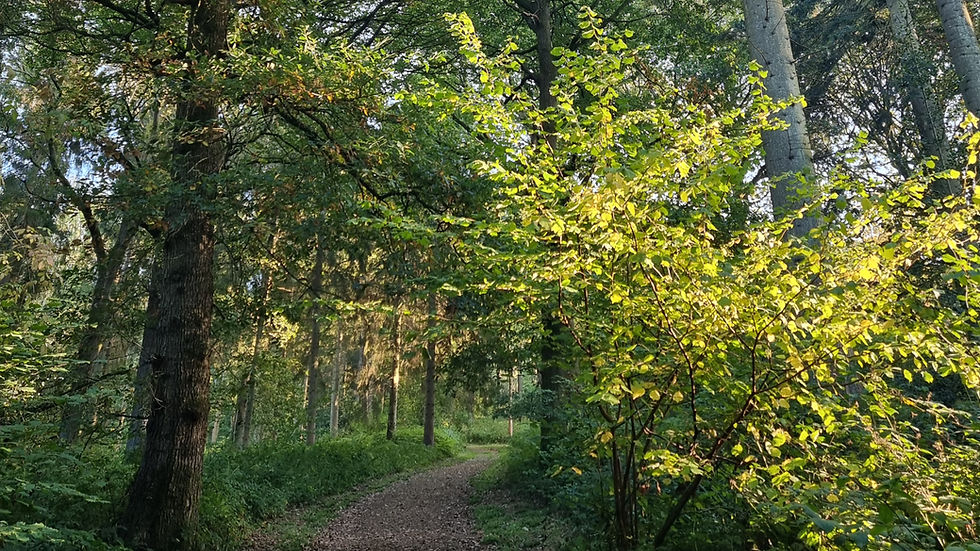
Planting a tree is one of the simplest and most rewarding ways to support wildlife, boost biodiversity, and add character to your garden. Whether you’re planting at home or planning a community project, these practical tips will help your tree get off to the best possible start.
#1 Choose the Right Species
Selecting the right species is one of the most important decisions. Consider the eventual size and shape of the tree, not just how it looks when young.
· Small gardens: choose compact species or tree-like shrubs such as Amelanchier.
· Very small spaces: large shrubs like Buddleia may be more suitable, as these adapt well to hard pruning, if it is needed.
The right species will thrive with less pruning and fewer long-term issues.
#2 Check Your Soil and Site Conditions
Soil type (sandy, clay, loam etc.) and sunlight levels can make a big difference to how well your tree will grow. A quick soil test or referring to a soil map https://mapapps2.bgs.ac.uk/ukso/home.html can help you select a species that suits your garden’s conditions.
#3 Plant What You Love
It sounds simple, but it matters: choose a tree you genuinely like.
Think about:
· Green or purple foliage
· Spring blossom
· Autumn colour
· Winter shape or bark
You’re far more likely to care for and nurture a tree that brings you joy.
#4 Pick the Right Location
Give your new tree room to grow into maturity.
Avoid planting too close to:
· Houses, garages or walls
· Neighbouring boundaries
· Areas where you’ll later regret the shade
A well-placed tree will grow happily for years with little or no pruning.
#5 Buy from Ethical and Reliable Suppliers
Purchasing ethically grown, UK-sourced trees helps reduce the risk of importing pests and diseases. Look for suppliers issuing plant passports.
Here are a few good options:
Local Community Groups (e.g., Cheltenham Tree Group in my area) https://www.cheltenhamtreegroup.co.uk/
· Support local biodiversity work
· Often provide low-cost, locally sourced native species
· Ideal for small projects or community planting
Free Trees from the Woodland Trust (for organisations) https://www.woodlandtrust.org.uk/plant-trees/schools-and-communities/
· Suitable for schools, community groups, and landowners
· Native species chosen for wildlife value
· Excellent for larger projects with limited budgets
Mail Order Trees https://www.mailordertrees.co.uk/
· Affordable commercial supplier with a wide species range
· UK-grown stock and reliably healthy trees
· Good for gardeners or small planting projects
Barcham Trees https://www.barcham.co.uk/
· One of the UK’s leading nurseries
· High-quality, well-grown trees — reflected in the price
· Excellent for specimen trees or landscape projects
· I’ve used them commercially and have always been impressed
#6 Bare-root, Root-balled and Container-grown Trees — What’s the Difference?
When buying a tree, you’ll usually see it sold in one of three ways. Each has benefits depending on your budget, species choice, and the time of year you want to plant.
Bare-root Trees
· Available: November to March (dormant season)
· Cost: The most affordable option
· Pros: Lightweight, easy to transport, excellent establishment rates
· Cons: Limited species/size options, order early on (or before) the planting season for more choice in species and size, must be planted quickly before roots dry out
Best for: Hedgerows, native species, small garden trees, community planting days
Root-balled Trees
· Available: November to March (dormant season)
· Pros: Ideal for species that dislike root disturbance (e.g., evergreens)
· Cons: A bit heavier and a bit more expensive than bare-root, must be planted promptly to avoid root-ball drying out
Best for: Evergreen species, garden planting and larger landscape projects
Container-grown Trees
· Available: Year-round but still preferable to plant in the planting season November to March
· Pros: Heavier than both above, widest selection, reliable quality, can be planted whenever conditions are suitable but more watering required if planted outside of the planting season
· Cons: Typically more expensive; sometimes roots become pot-bound
Best for: Garden trees, ornamental species, can be purchased year round (though still preferable to plant in planting season)
#7 How to Plant Your Tree
· A quick step-by-step guide:
· Dig a square hole, no deeper than the root ball
· Loosen the sides of the hole to help the roots grow outwards
· Check the roots: if the tree is container-grown, gently tease out any roots that are circling or winding around the root ball
· Position the tree with the root flare visible at the soil surface
· Backfill using the soil you removed. If you have particularly heavy clay, you can mix in a small amount of compost with the existing soil to improve structure and make planting easier (but avoid over-improving the planting pit)
· Install a stake and tie if needed
· Water thoroughly
#8 Mulch Correctly
Mulch helps retain moisture and suppress weeds. Keep mulch a few centimetres away from the stem — piling it against the trunk can trap heat, cause decay, and attract pests.
#9 Watering & Aftercare
Watering is the most common reason newly planted trees fail.
From March/April (depending on how dry spring is) to late August, water once a week for the first two years.
· Young trees generally need 10–20 litres per week in the growing season
· Adjust amount based on tree size and weather conditions
Also remember to:
· Check the stake and ties
· Top up mulch as needed
· Carry out light formative pruning if required
If you’re unsure, seek advice from a qualified arborist.
#10 Common Tree-Planting Mistakes
Avoid these frequent issues:
· Planting too deeply
· Mulch piled against the stem
· Forgetting to water
· Choosing a species too big for the space
· Planting too close to structures or boundaries
With a bit of planning and a few simple steps, planting a tree is something anyone can do well. Get the basics right, give it water in its early years, and your tree will establish strongly and thrive long into the future. A small effort now creates huge benefits for wildlife, your garden, and generations to come.


Comments